November 25, 2026
Forestry mulching clears unwanted trees, brush, and undergrowth by processing vegetation into mulch where it grows. Specialized equipment combines cutting and grinding in one operation, leaving the resulting material on the ground. This approach can open an overgrown area without a separate process for burning or hauling away the vegetation being mulched.
What forestry mulching services involve depends on the property and the intended result. Some projects focus on selective clearing around retained vegetation, while others call for broader removal of unwanted growth. Understanding the stages of the work helps property owners connect the clearing method with the access, appearance, or future use they want to achieve.
Assessing the Property and Its Purpose
A useful assessment begins with how the owner wants the land to function. Improving access to an overgrown area creates a different discussion from preparing vegetation-covered land for an agricultural or construction project. The desired result helps establish where clearing should occur and which features should remain.
During an assessment for forestry mulching services, the operator considers vegetation density, terrain, and the type of material present. Brush and saplings may cover one section, while larger trees occupy another. These differences affect what the equipment can process and how the work should be approached. Discussing the work directly with the equipment operator also lets the property's goals and site conditions be considered together before the clearing approach is settled.
The conversation also gives the owner an opportunity to explain concerns that are not obvious from a quick look at the property. An obscured view, difficult access, or unwanted vegetation spreading through a usable area can each shape the project. Bringing those goals together with a professional assessment creates a more specific scope. The work can then be discussed in terms of the area to be treated, the vegetation involved, and the condition the owner expects afterward.
Choosing Selective or Broader Clearing
Forestry mulching does not have to remove all vegetation from a property. Selective clearing can address unwanted brush and undergrowth while allowing chosen trees or other vegetation to remain. A broader approach may be appropriate where the goal is to open a larger area covered by dense growth.
Making that distinction before equipment begins operating helps align the work with the owner's expectations. The operator needs a clear understanding of which areas are included and what the finished layout should preserve. These decisions influence both the immediate appearance and how the property can be used afterward.
Vegetation size also matters. Professional equipment can process brush, saplings, and trees within its working capacity, but larger trees require individual consideration. An assessment can establish whether the material is suitable for mulching and whether the proposed scope needs adjustment. This keeps the project centered on what can appropriately be processed instead of assuming that every tree presents the same task.
Establishing a Realistic Timeline
Acreage gives an initial sense of project scale, but it does not describe the full workload. Two equally sized areas may contain very different vegetation. Open ground with scattered brush presents different working conditions from a dense area containing trees, vines, and thick undergrowth.
According to Forbes, clearing one acre can require as little as an hour or extend over several days, depending on site conditions, vegetation, and the equipment involved. That range shows why a useful timeline needs more detail than a property's size alone. The operator must consider what is actually present and the result being requested.
For forestry mulching services, discussing those variables early helps make scheduling more understandable. Selective work may require attention around retained vegetation, while broader clearing may involve processing more material across the site. Terrain also influences how equipment can move through the designated area. A project-specific explanation gives the owner a clearer basis for planning, with expectations tied to the work rather than a general assumption about how quickly an acre should be cleared.
Processing Vegetation on the Property
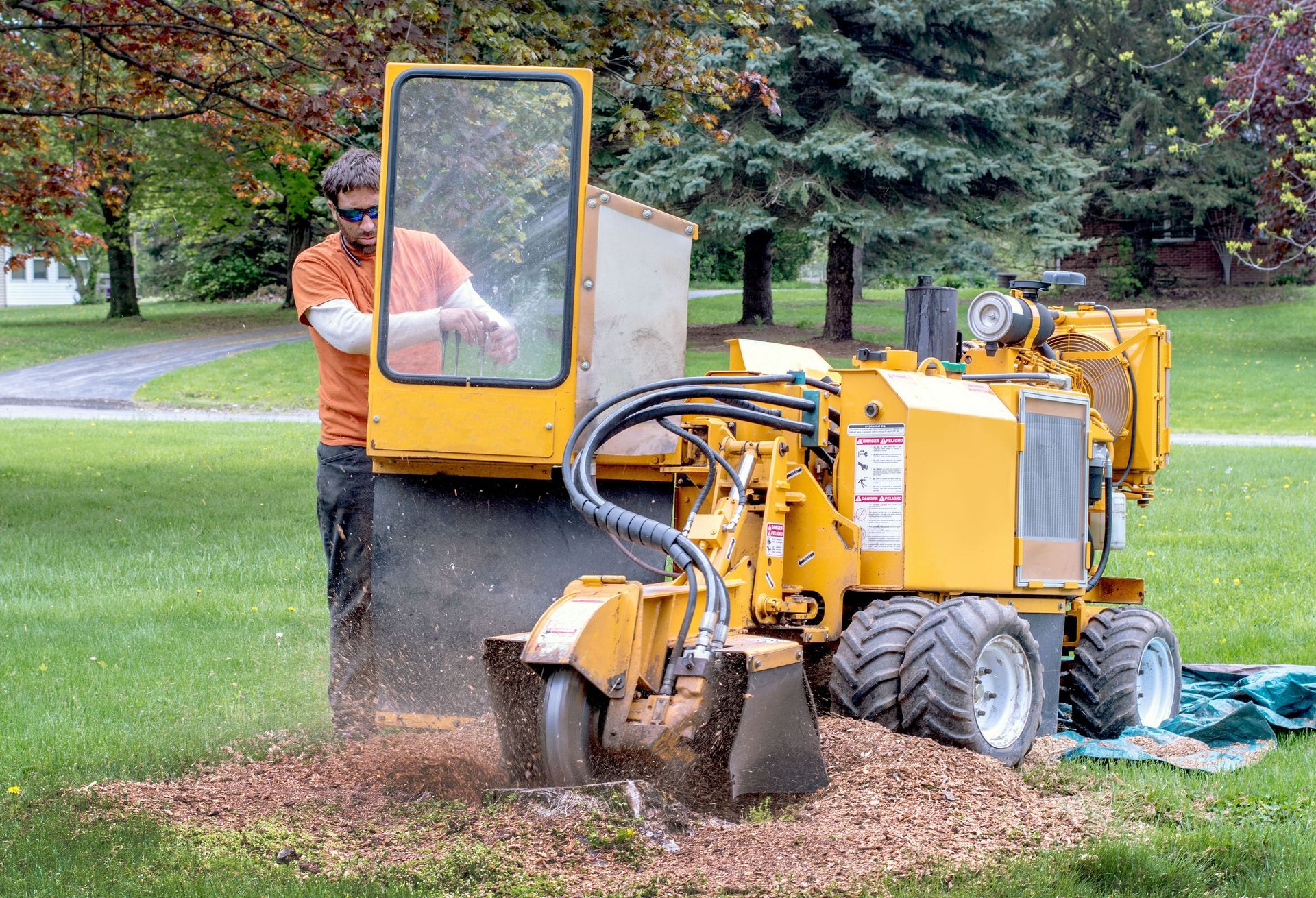
The central operation uses a forestry mulcher attachment to cut and grind vegetation directly on-site. Instead of treating cutting and debris removal as separate stages for the material being mulched, the equipment processes that growth into smaller pieces during the clearing operation.
The operator works within the agreed area, directing the equipment according to the scope and the vegetation encountered. Trees, brush, and undergrowth suitable for the machine are reduced to mulch that remains on the ground. This changes both the density of vegetation and the character of the surface beneath it.
Combining these tasks is a defining feature of forestry mulching services. The process can eliminate the need to gather the processed vegetation for burning or off-site hauling. It also reduces reliance on separate machines for each of those stages. The practical result is an area opened through on-site processing, with the cleared material becoming part of the ground cover. The amount and character of that material reflect what was growing there, so the finished surface should be discussed as part of the original project expectations.
Understanding the Mulch Left Behind
The remaining mulch is an intended part of the process. It covers the ground where vegetation has been processed, helping protect topsoil and reduce exposure to erosion from wind and rain. That layer can also help limit weed growth while the property transitions from dense vegetation to its new condition.
As the organic material decomposes, it contributes to the soil. This gives the processed vegetation a continuing role on the property instead of treating it entirely as debris to be removed. The benefit develops over time, alongside the immediate change in access and visibility created by clearing.
An assessment of forestry mulching services should therefore include a conversation about the surface left after the equipment finishes. A mulch-covered area has different characteristics from a lawn or an area of exposed soil. Understanding that distinction helps the owner picture the result realistically. The desired use of the land remains important: the mulch layer and the vegetation retained should make sense in relation to the broader management goal, whether the priority is access, vegetation control, or preparation for a later project.
Relating the Finished Work to Future Use
Once dense growth has been reduced, the property may become easier to access and observe. Areas previously concealed by undergrowth can be understood more clearly, helping the owner evaluate how the space relates to its intended use. That improved visibility is one practical result of the clearing work.
Selective treatment can also support habitat management by opening designated areas while retaining vegetation elsewhere. On other properties, the focus may be preparing an overgrown area for the next stage of construction or agricultural planning. The relevant outcome depends on the original purpose rather than a single standard appearance for every project.
A review of the completed area should return to the agreed scope. The owner and operator can discuss what was processed, what remains, and how the resulting condition relates to the planned use. This provides a practical link between the initial assessment and the work completed on the ground.
Understanding both the clearing process and the surface it leaves behind gives property owners a more useful basis for planning. A successful outcome connects the work on the ground with the property's intended use. We plan forestry mulching services at H & H Land Management around the property's conditions and your goals. Share your plans with us to discuss how professional mulching could fit your property.